In today's unpredictable logistics landscape all freight forwarders, NVOCCs, and BCOs face one of their biggest challenges yet i.e; maintaining pricing accuracy and visibility across volatile global trade lanes. Freight rates fluctuate daily between ports and managing that complexity through spreadsheets or legacy systems is no longer sustainable.
That's where a modern unified digital logistics management platform comes into picture; combining automation, visibility, and scalability into a single digital ecosystem. Below, we'll break down the essential features every logistics business should look for before investing in one.
Why NVOCCs and BCOs Need Smarter Digital Logistics Solutions?
A TMS platform centralizes every aspect of business, including pricing, accounting, auditing , as well as customs filing, ensuring every team member and customer has access to the same, real-time data. Beyond convenience, it's now a core competitive advantage for freight businesses aiming to scale with precision and credibility.
For business owners managing recurring shipments, using a platform that provides dedicated support to NVOCCs , Freight Forwarders, Shippers as well as Carriers adds control and transparency across every lane, right from quoting to delivery.
Top Features That Define a Modern TMS Platform
1. Intelligent Rate Management with Automation and Human Support
A next-generation freight rate platform should combine automated tools with human-enabled back-office support to ensure accurate, up-to-date pricing across air, ocean, and inland modes. By using automated processes to analyse rate inputs and historical patterns, the platform helps teams quote faster and with fewer errors, while human oversight ensures that exceptions and complex rate scenarios are reviewed for accuracy.
2. Centralized Dashboard for Full Operational Visibility
Information split across emails, spreadsheets, and legacy tools creates operational blind spots. A modern platform centralizes all rate updates, contract terms, schedules, and shipment details into a unified digital dashboard. This gives teams instant visibility over lanes, customers, and quote versions, ensuring decisions are made using current and accurate data.
3. Customer-Facing Digital Modules for Quick Access
A strong TMS platform should also offer customer-centric digital modules, allowing shippers to request quotes, view status updates, access documents, and manage bookings online. With self-service tools under one interface, customers gain faster responses and full transparency, while logistics teams reduce manual communication and improve service quality.
4. Automation and Robotics to Eliminate Manual Errors
Manual data entry is one of the biggest sources of rate inaccuracies & omissions. A robust platform integrates process automation and robotics to manage tasks such as rate validations, document processing, version tracking, and expiry alerts. This ensures consistency across every mode and lane, improves speed, and reduces operational errors before they reach customers.
5. Seamless Integration and Scalable Architecture
A modern TMS system must connect smoothly with booking systems, documentation tools, and other logistics software. Through flexible integration capabilities, data flows automatically across platforms, improving efficiency and enabling the business to scale into new lanes, clients, or service areas without major structural changes.
6. Schedules, Tracking, and Route Insights
Accurate timing is crucial in logistics. A comprehensive platform provides access to schedules, cargo tracking updates, and operational milestones so teams can plan movements more effectively. When rate data is aligned with schedules and tracking insights, logistics teams can avoid delays, minimise exceptions, and choose the best routing options for every shipment.
7. Big-Data Reporting
Rate data should help shape strategy, not just support quoting. Modern freight rate platforms include big-data reporting tools that highlight performance by lane, customer, or season. With advanced analytics, teams can identify trends, improve negotiation strategies, and optimize operational planning. This transforms rate data into a strategic decision-making asset rather than stored information.
How These Features Work Together
A modern TMS platform works as a connected digital workflow where every feature supports the next:
- Automated rate processes maintain pricing accuracy and reduce manual intervention.
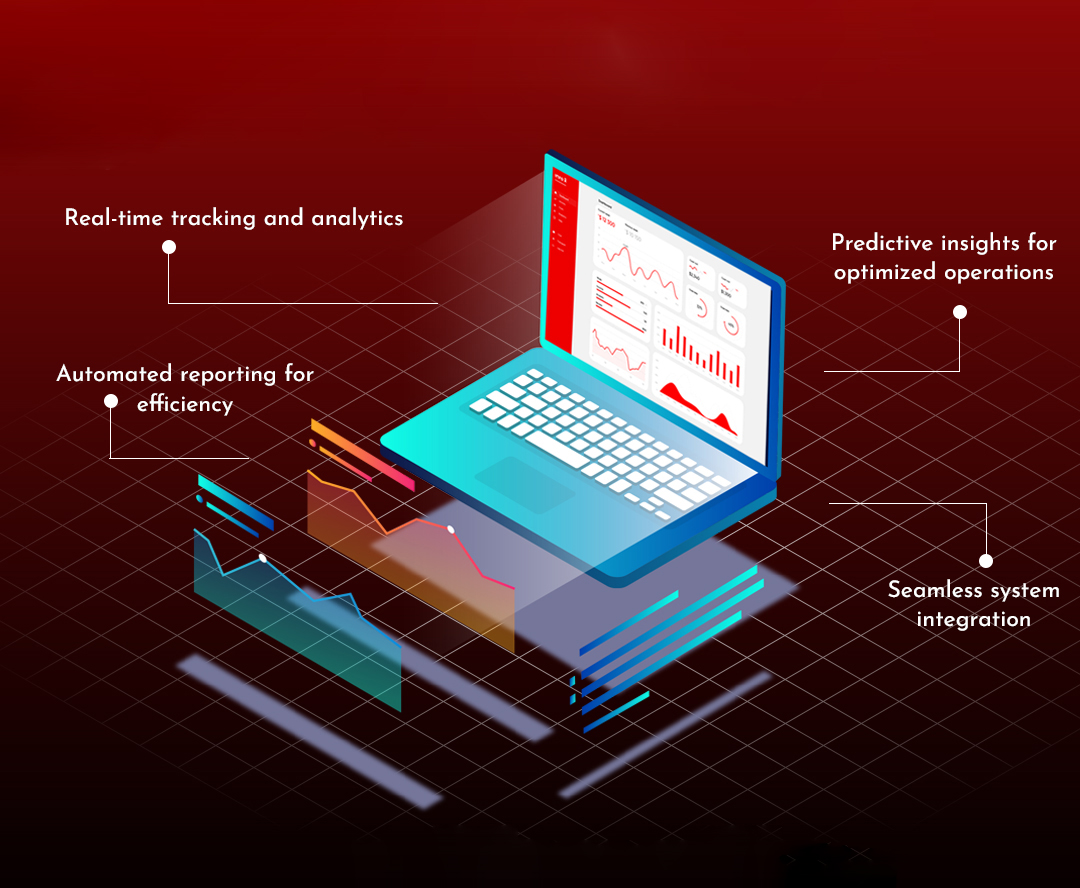
- A centralized dashboard connects all rates, schedules, and operational data into one real-time view.
- Customer-facing digital modules streamline communication by allowing quick quote requests, document access, and status visibility.
- Integration capabilities (API/EDI) ensure booking, documentation, and tracking systems exchange data without delays or duplication.
- Big-data reporting and analytics convert operational activity into insights that support better planning and decision-making.
Together, these capabilities reduce errors, shorten turnaround times, eliminate redundant tasks, and ensure every quote or update reflects real operational conditions.
Pricing accuracy, operational visibility, and reliable communication are critical pillars of modern logistics. By adopting a TMS platform that integrates automation, centralization, data-driven insights, and customer-facing tools, logistics businesses can unlock smoother workflows, higher service quality, and stronger control from quote to delivery.
If your goal is to unify pricing, visibility, and automation across every trade lane, companies like Info-X provide the enterprise infrastructure to make that transformation seamless.
Final Thought
In today's fast-moving logistics environment, accuracy, automation, and real-time visibility are no longer optional — they're essential to staying competitive. By unifying rate management, operational data, documentation, and customer access in one digital workflow, a modern freight platform becomes far more than a pricing tool.
It serves as the central engine that reduces errors, speeds decision-making, and supports reliable freight movement across every lane, forming the operational core of future-ready logistics.
Info-X delivers these capabilities through one connected ecosystem built for forwarders, NVOCCs, and BCOs based across the world.
FAQs
Info-X's digital logistics platform offers end-to-end solutions with features like AI-powered automation, comprehensive rate management, and real-time cargo tracking. It also provides integrated financial and documentation management, real-time visibility, reporting, analytics, and a customer portal.
Real-time rates ensure instant, accurate quoting for lanes like Sydney–Singapore or Melbourne–LA, minimizing delays and manual recalculations.
Yes. Info-X TMS platform supports EDI and API integrations, syncing quotes, invoices, and shipment data across your existing infrastructure.
A portal provides self-service access to quotes, documents, and shipment status, reducing email traffic, speeding quote acceptance, and improving transparency and customer satisfaction.
Enterprise-grade platforms include audit trails, version histories, role-based access controls, and secure data exchange to ensure compliance, data integrity, and traceability.
Power Every Persona with the Info-X Modern TMS
Deliver one workflow for BCOs and forwarders—quotes, bookings, docs, tracking, and finance in a single platform.
See how Info-X helps teams move faster, protect margin, and keep customers in the loop automatically.